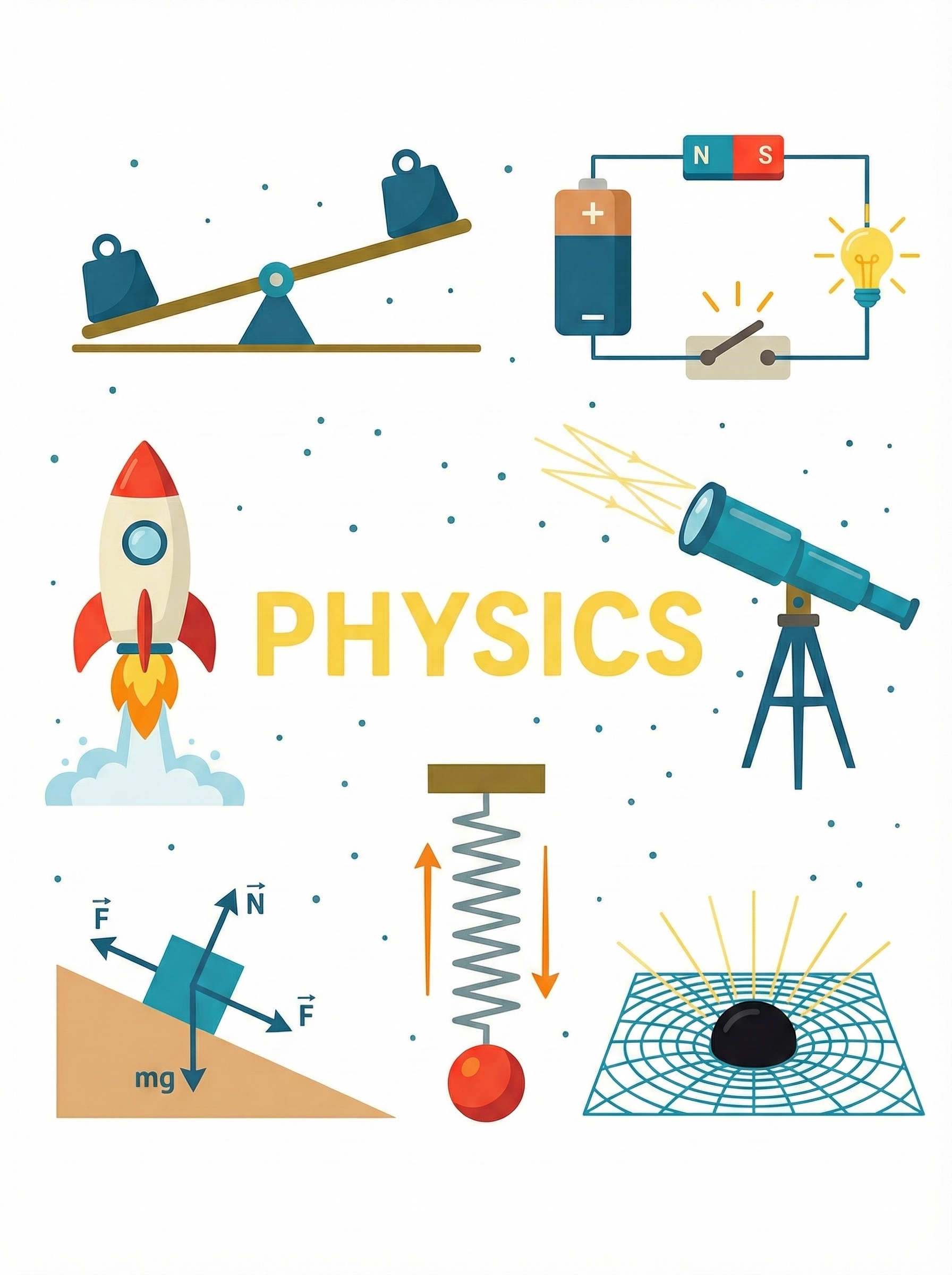
The discipline of Physics is engaged in teaching in various UG and PG programs offered by the institute. In addition to this, the faculty members and their research groups delve into the fascinating realms of classical & quantum gravity, material science & technologies, photonics, and quantum technologies. From the infinitesimally small interactions of subatomic particles to the grand scale of the cosmos, physics encompasses the fundamental laws governing the universe. In our exploration, we unravel the mysteries of spin-based electronics, probing the manipulation of electron spin for revolutionary technologies. We delve into the intricate properties of magnetic materials, unlocking their potential for applications ranging from data storage to medical imaging. With photonics, we harness the power of light to revolutionize communication, sensing, and computation. Furthermore, in the realm of high energy physics, we peer into the depths of particle interactions, seeking to understand the fundamental constituents of matter and the forces that govern them.
🔬 Focus Areas
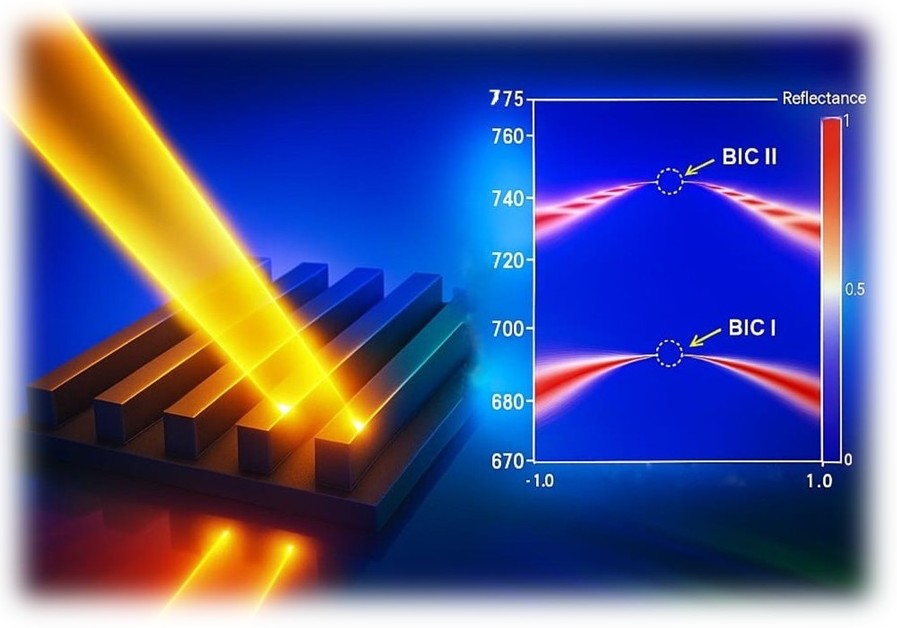
• Photonic crystals, fibers, metamaterials, and nanophotonics
• Quantum Photonics and Quantum sensing
• Light–matter interaction at micro- and nanoscale
• Optical waveguides, resonators, and sensors
⚙️ Capabilities
• Simulation tools: COMSOL Multiphysics, Lumerical, CST, MATLAB
• Fabrication studies and design of novel photonic structures
• Characterization methods for optical/electromagnetic response
📊 Approach
• Combination of theoretical modeling, numerical simulation, and experimental validation
• Designing advanced devices for optical communication and sensing
🌍 Impact
• Enabling next-generation photonic and optoelectronic technologies
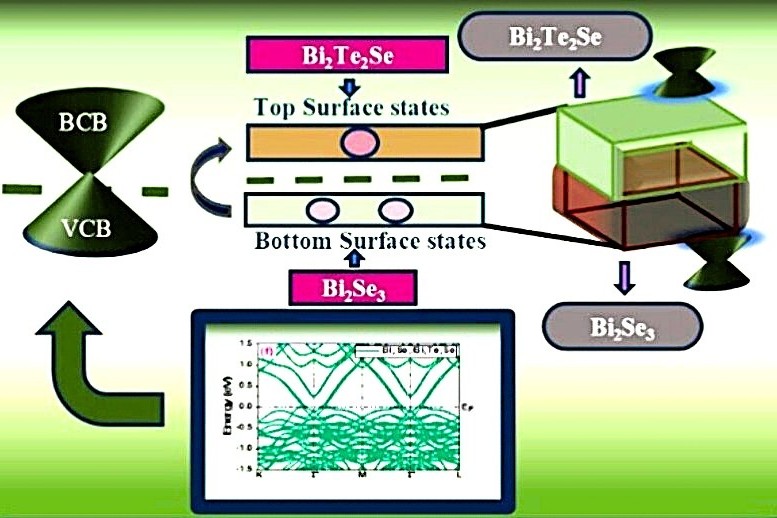
🔬 Focus Areas
• Thin Film Growth: DC/RF magnetron sputtering, thermal evaporation
• Study of magnetic proximity, band gap tuning, and interface-induced spin–orbit effects.
• Magneto-optical and magneto-electric effects
⚙️ Capabilities
• Thin film growth and device fabrication.
• Multiple techniques to reveal structural, magnetic, and electronic properties.
• Collaboration with national and international research groups
📊 Approach
• Exploring interfacial phenomena topological and quantum materials.
• characterization of spintronic and optoelectronic devices to bridge material functionality and real-world applications.
🌍 Impact
• Paving the way for next-generation memory and communication technologies
🔬 Focus Areas
• Quantum field theory, Quantum Information and Computing
• Classical and Quantum gravity, Black holes, and Quasi normal modes
• Numerical methods in gravity, Machine Learning and population modeling
⚙️ Capabilities
• Advanced analytical modeling and computational techniques
• Numerical and analytical methods in relativity
• Mathematica, Qiskit, Qniverse and other computational softwares
📊 Approach
• Attacking complex systems using Classical and Quantum computational tools
• Providing effective solutions to real world problems
🌍 Impact
• Contributing to global efforts in understanding the fundamental forces of nature
• Preparing a sound base for research in Quantum Information and Technologies
🔬 Focus Areas
• Materials for energy harvesting, Materials for energy storage, Thermoelectric materials, Fuel-cell technologies, Biomedical applications
⚙️ Capabilities
• Advanced synthesis techniques: sol-gel method, hydrothermal treatment
• Computational facilities:- DFT by Wien2k and Quantum Espresso
• Structural, optical, and electrical characterization facilities
📊 Approach
• Exploring structure–property relationships in functional materials
• Combining experimental research with computational modeling
• Device-oriented material optimization
🌍 Impact
• Development of innovative functional materials for sustainable technologies
• Enabling applications in energy, healthcare, and information technology
On August 28, 2025 Prof. M. Lakshmanan presented innovative research on reservoir computing using logistic maps, achieving highly accurate predictions for complex nonlinear systems. The study highlights a simpler, noise-resilient approach that could advance data processing without relying on continuous dynamical systems.
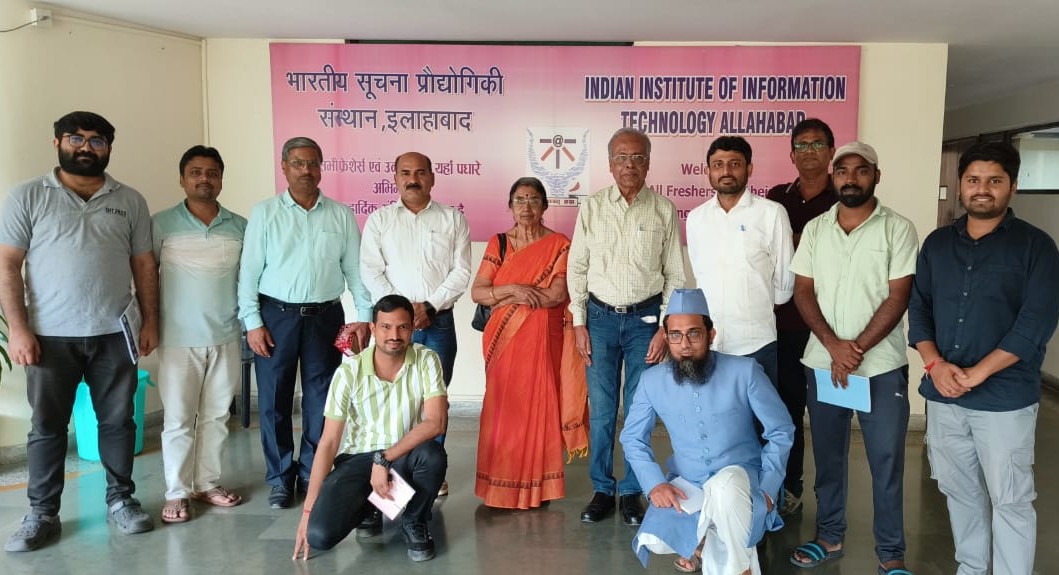
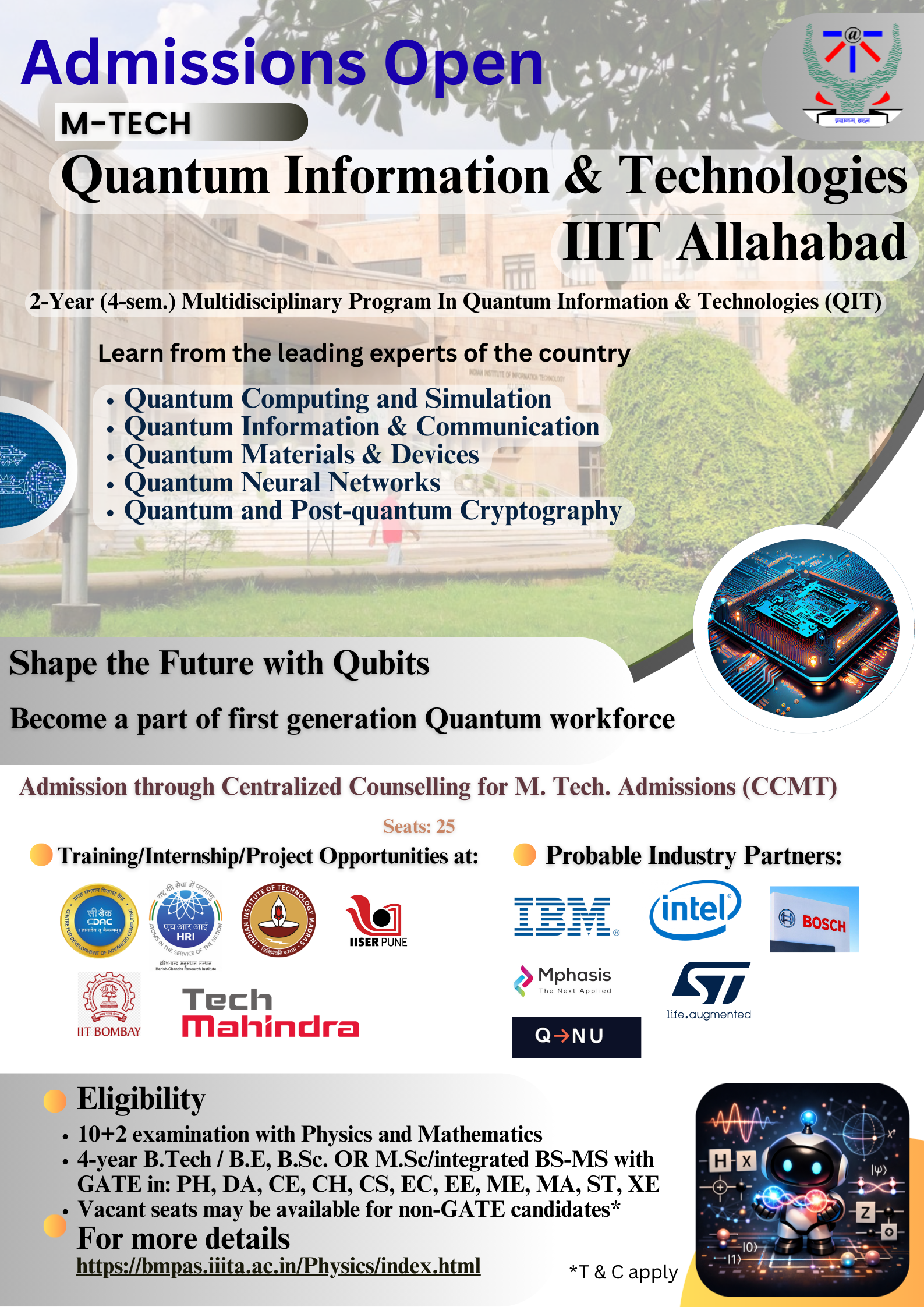
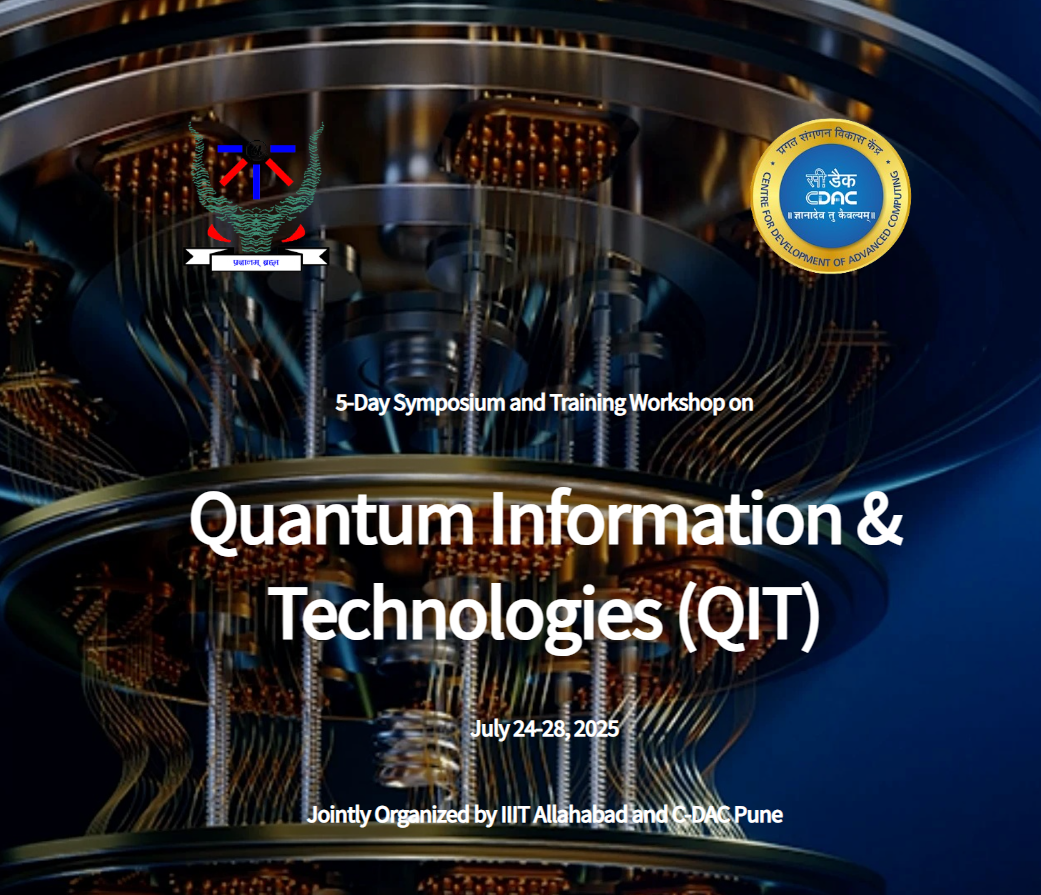
The 5-day Symposium and Training Workshop on Quantum Information & Technologies (QIT 2025) was successfully held from July 24 to 28, 2025, at IIIT Allahabad in collaboration with C-DAC Pune.
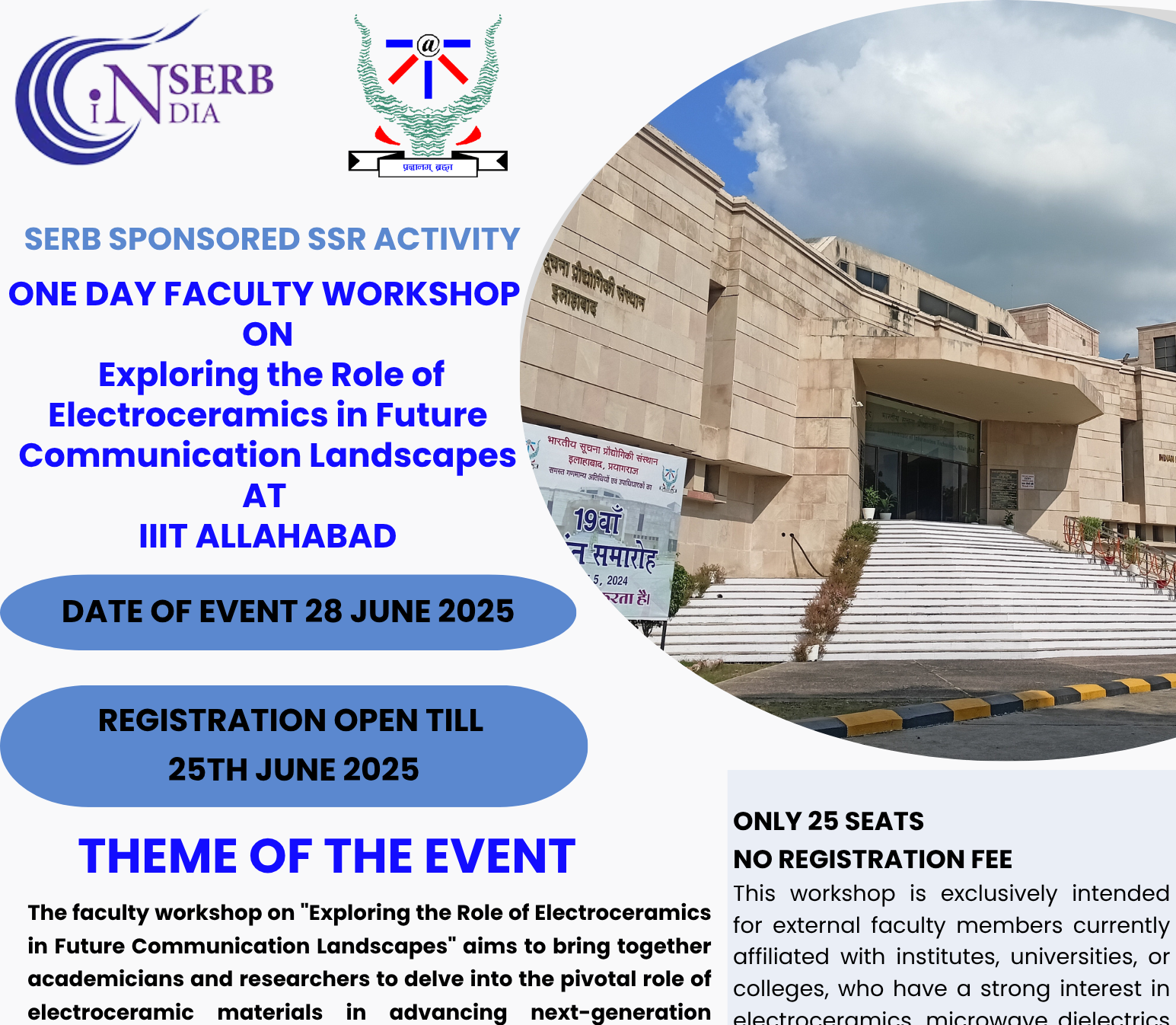
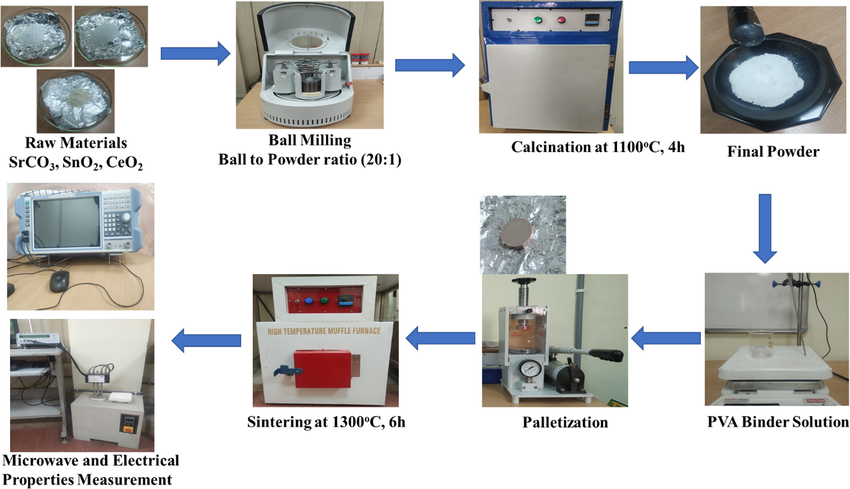
The Faculty Workshop on "Exploring the Role of Electroceramics in Future Comm. Landscapes" at IIITA brought together researchers to discuss electroceramics for advancing 5G, 6G, and mm-wave comm. technologies.